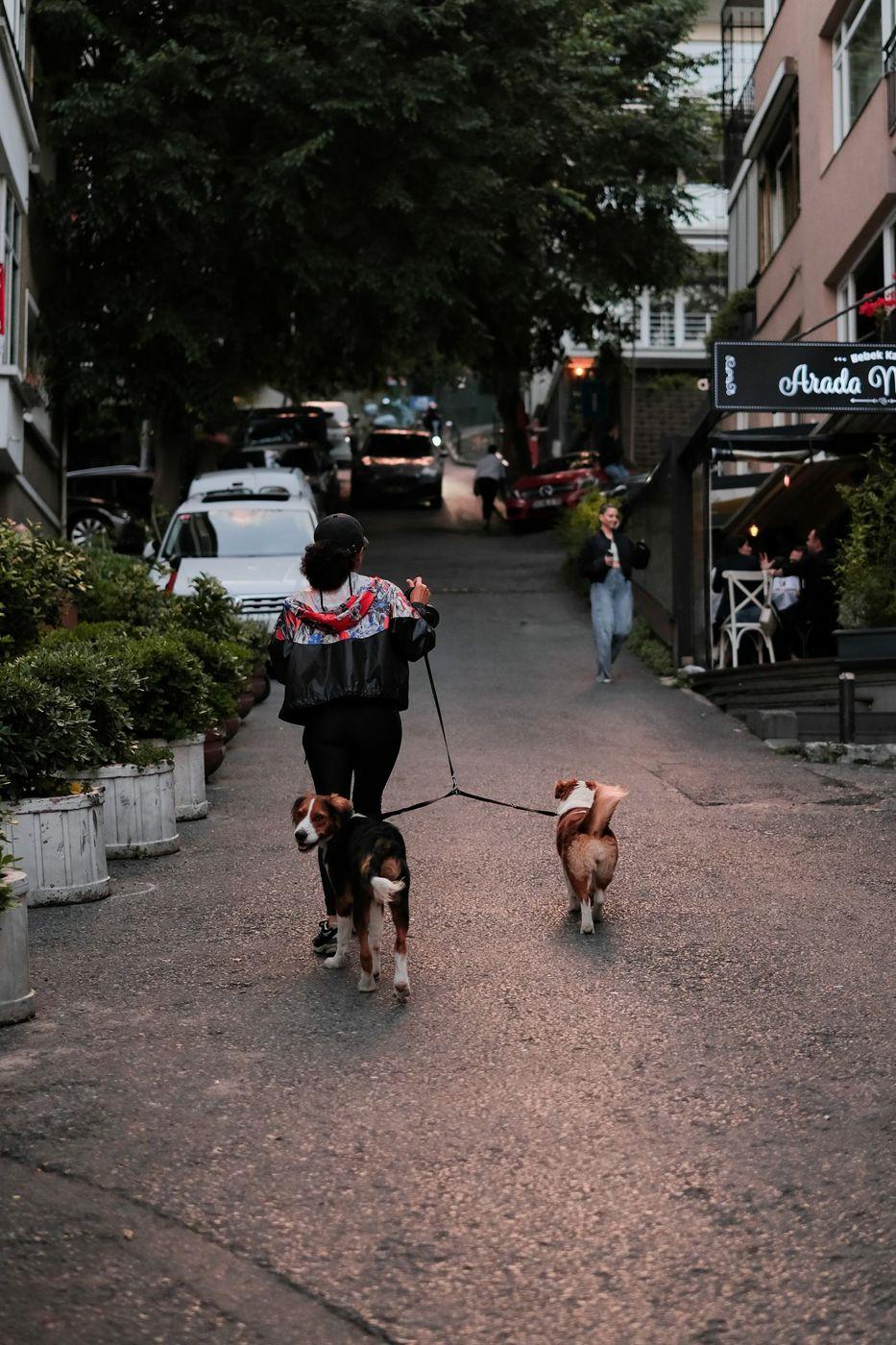
How leash coaching tends to progress
- Picking gear that fits well, such as a flat collar or front-clip harness, plus a standard six-foot leash.
- Rewarding your dog for staying close on a quiet block.
- Practicing turns, stops and speed changes so your dog keeps checking in.
- Adding easy distractions: squirrels, bikes, joggers and dogs seen from far away.
- Scheduling hot-weather walks for early morning and testing pavement with your palm.
Towns in this guide. Around Columbia and the Richland County side of the Midlands.
Compare other programs. Find your fit.
How this guide works
Read sources. State limits.
LocalNotes from public pagesEach place page cites what could be read about its roads, parks and climate.
EstimatesRanges, not quotesEvery cost figure is a general estimate that varies by trainer and market.
NeutralIndependent trainersTrainers are independent professionals, and results depend on the dog and consistent practice.
Operated by K9PN. Read the Disclaimer for details.
Good questions
Before you begin.
Will a harness fix pulling?
A front-clip harness can reduce the force of pulling, but your dog still has to learn where to walk. Gear helps; practice teaches.
Where can I practice around Columbia?
Begin on a quiet residential street, then try paved paths such as the Three Rivers Greenway once your dog copes with bikes. Check current rules there.
Is lunging at dogs a leash problem?
If the dog is friendly and excited, leash coaching often covers it. If it seems upset, read the behavior guide.
How long until walks improve?
Many owners notice a change after a few weeks of short daily practice. Busy areas take longer.